


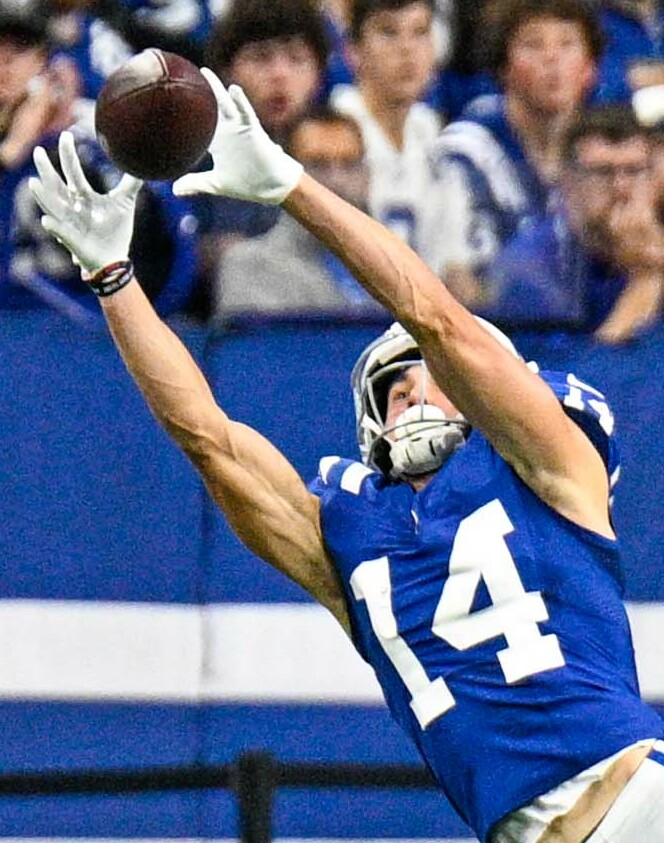
Indianapolis Colts wide receiver Alec Pierce is trading his football pads for cinema cameras this offseason, locking in key moves that bridge professional sports and Hollywood entertainment. The deep-threat pass catcher, who built a reputation stretching NFL defenses on Sundays, has officially begun pivoting toward big-screen development projects and media investments aimed at mainstream theatrical audiences.
It is a classic American crossover move, but Pierce is taking a calculated approach rather than relying on brief cameos. Studio execs and talent reps have been quietly taking meetings with high-profile athletes who can bring pre-packaged fan bases to the multiplex, and the Colts receiver fits the bill. Rather than sitting back during the NFL quiet period, Pierce is using his rising pro sports profile to dive straight into production meetings, indie film financing, and streaming content development.
Movie lovers across the country know the pipeline from the gridiron to the soundstage is a well-traveled highway. From Carl Weathers and Jim Brown to Fred Dryer and John David Washington, football players have long found a second home in front of the lens. But the modern landscape looks a little different than the days when guys just showed up on set to look imposing. Today’s active players want ownership, producing credits, and control over the IP before a single frame of digital video gets shot.
Industry insiders note that Pierce’s team has been scouting screenplays that lean heavily into high-octane action, sports drama, and character-driven thrillers. While the box office numbers for traditional mid-budget movies have been unpredictable over the past few years, star-backed genre films still trigger massive bidding wars among major studios and OTT platforms like Netflix, Prime Video, and Apple TV+. Having an active pro athlete attached to a project provides instant marketing juice, giving film marketers a ready-made pipeline directly to millions of sports fans across North America.
For moviegoers tracking casting announcements and greenlight news, the timing could not be more intriguing. The domestic box office is hungry for fresh talent, bankable personalities, and non-traditional IP that can pull young men away from their gaming consoles and live sports streams. Film distributors know that live sports remain the undisputed king of broadcast television, so recruiting a prominent vertical threat from the AFC South helps bridge the gap between stadium crowds and theater seats.
On the local front, fans in Indiana and across the Midwest are watching the off-field development with serious curiosity. Local movie theaters from Indianapolis to Chicago are always eager to host red-carpet premieres featuring homegrown talent and regional sports icons. If Pierce lands a major producing role or a featured acting gig, expect high-end luxury cinemas in downtown Indy to become prime real estate for early promotional screenings, charity red-carpet events, and exclusive cast Q&A sessions before the films hit wider distribution.
The crossover between professional athletics and pop-culture cinema has accelerated significantly over the last three seasons. Streamers are burning through cash to secure exclusive rights to sports documentaries, narrative features, and lifestyle programming. By planting his flag early in his pro career, Pierce is setting up an entertainment blueprint that stretches far beyond the end zone. He is not just looking for a quick line in a comedy skit; he is positioning himself to finance, develop, and star in projects with actual theatrical legs.
Hollywood literary agents have spent the last few months pitching high-concept scripts to sports management firms, looking for the next athlete-turned-producer who can open a film on opening weekend. The math is simple: a built-in fanbase from fantasy football and Sunday Night Football broadcasts translates directly into social media engagement, opening-night ticket sales, and top-tier trending status on streaming dashboards.
Screenwriters are already taking notice, tailoring fast-paced, high-stakes narratives that match the athletic intensity of modern pro sports. The days of cheesy direct-to-video vehicles are long gone. Today’s athlete-led movie deals aim straight for wide theatrical rollouts, premium format screens like IMAX, and lucrative international licensing packages. Distributors want projects that feel raw, authentic, and cinematic, avoiding the tired cliches that used to plague sports-adjacent films.
Film festival scouts are also keeping an eye on this space. Independent gatherings like Sundance, Tribeca, and SXSW have become major launchpads for athlete-backed production banners looking for critical respect before hitting commercial theaters. Securing an indie festival run gives a project immediate cinematic credibility, separating vanity projects from genuine movie-making endeavors that demand serious consideration from film critics and multiplex bookers.
Of course, balancing a brutal 17-game NFL regular season with the grueling schedules of movie production is no easy trick. Acting workshops, table reads, and location scouting take time, meaning most of the heavy lifting has to happen during the spring and early summer months before training camp kicks off in late July. But Pierce’s entry into the cinematic arena shows that the modern pro athlete views their brand as a full-scale media company from day one.
Looking ahead, moviegoers can expect official casting calls, slate announcements, and production timelines to drop as the film industry heads into the busy summer convention and festival circuit. If these upcoming projects secure distribution deals with major studios, national theater chains will be locking in promotional tie-ins long before popcorn buckets hit the concession stands. All eyes now turn to the trade papers to see which director gets the nod to helm Pierce’s first major cinematic play.
The epicenter of this burgeoning cinematic venture is currently rooted in the revitalized Warehouse District of Indianapolis, where production offices have reportedly been scouted to serve as a Midwestern hub for Pierce’s creative banner. Industry insiders suggest that the initial slate of projects focuses heavily on the gritty, blue-collar aesthetic of the Rust Belt, utilizing the unique architecture and moody, overcast skylines of Indiana and Illinois to ground these narratives in a sense of hyper-realism. This geographical commitment is a calculated move to lower production costs while accessing generous state tax incentives designed to lure film crews away from the saturated markets of Atlanta and Vancouver. By utilizing local crews and regional filming locations, the production team can stretch their budgets further, ensuring that the high-octane sequences Pierce favors possess the visual polish of a summer blockbuster without the bloated overhead of a traditional Los Angeles shoot.
As the offseason progresses, the schedule is tightening. In the coming weeks, Pierce is expected to participate in a series of closed-door chemistry reads and technical rehearsals at a private soundstage facility near Carmel. These sessions are critical; they represent the transition from high-level boardroom negotiations to the tactile reality of filmmaking. Sources close to the project indicate that several veteran character actors have already been approached to fill supporting roles, providing a sturdy foundation for the athlete as he navigates the nuances of narrative timing and emotional beats. Unlike previous generations of athletes who were often relegated to wooden cameos, the directive here is for Pierce to inhabit a role that demands genuine range, requiring him to dive into the psychological stakes of a protagonist caught in the middle of a high-stakes heist thriller.
Behind the scenes, the financing structure for this Indy movie deal is as complex as any modern corporate merger. A consortium of private equity investors and regional venture capitalists have aligned with Pierce’s management to create a revolving fund for independent genre cinema. This allows the production banner to maintain creative control, avoiding the “development hell” that often swallows up projects once they enter the studio system. By maintaining independence during the filming phase, Pierce and his partners can shop a finished, high-quality product to the highest bidder, likely sparking a secondary wave of interest once a trailer is cut. This strategy mirrors the successful path taken by modern auteurs who prioritize vision over immediate studio buy-in, ensuring that the final cut reflects the original grit and intensity of the script.
The logistical hurdle remains the rigorous physical demands of professional football. To mitigate this, the filming schedule has been mapped out in a “sprint” format, prioritizing principal photography during the months of May and June. During this window, the production will likely operate on a six-day work week, utilizing long daylight hours to maximize exterior shots. The goal is to wrap the majority of Pierce’s scenes before the heat of July forces a return to the training facility. This requires a precision level of coordination between his athletic trainers and the film’s first assistant director, ensuring that his physical conditioning remains at an elite level even while he spends twelve hours a day on a movie set. It is a high-wire act of time management, where every hour on set must be balanced with recovery and playbook study.
Once the cameras stop rolling, the focus shifts to the post-production phase, where editors and sound designers in New York and London will begin the meticulous process of crafting the film’s atmosphere. This is where the “Indy” feel of the project truly takes shape, incorporating a pulse-pounding electronic score and a desaturated color palette that echoes the intensity of a late-season game in the cold. Market testing for the film’s title and branding is already underway, with focus groups in major NFL cities being used to gauge which narrative hooks most effectively bridge the gap between sports fans and cinema-goers. The ultimate success of this swing into Hollywood won't just be measured in ticket sales, but in its ability to redefine the career longevity of a modern wide receiver, proving that the brightest lights aren't always found under the stadium rafters, but projected onto the silver screen.
written by www.afoxtv.com










Comments
Post a Comment