


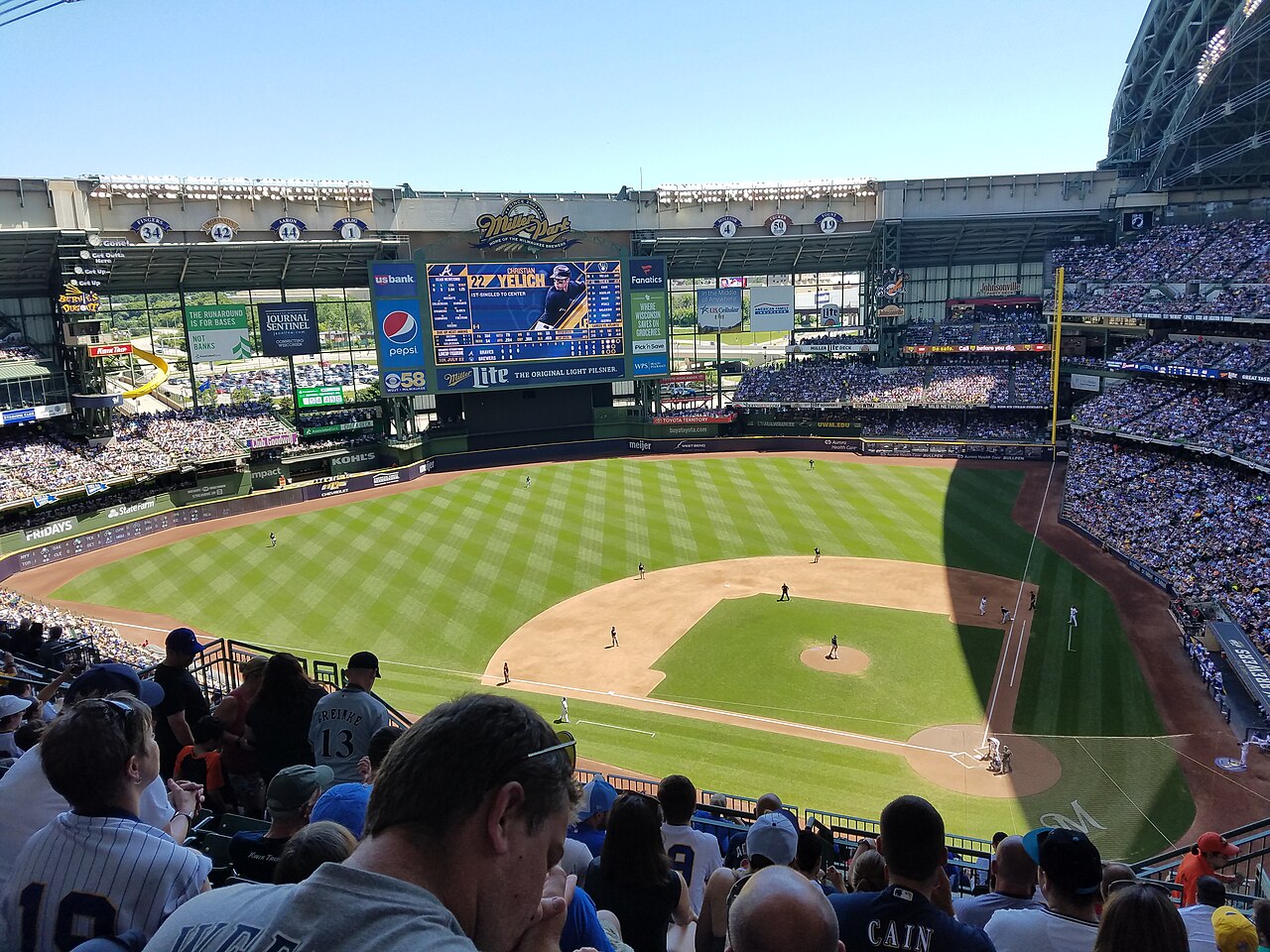
Wisconsin lawmakers are wrestling with a high-stakes funding package aimed at securing the long-term future of the Milwaukee Brewers at American Family Field. Republican leaders in the state legislature introduced a proposal earlier this week that would commit hundreds of millions of dollars in taxpayer money to stadium renovations, setting off a heated debate in Madison over fiscal responsibility and the economic impact of professional sports.
The proposed legislation comes as the current lease for the stadium—a facility that opened in 2001—faces looming deadlines. While the Brewers argue that the ballpark requires significant structural updates to remain competitive and safe, the optics of funneling public cash into a major league franchise have riled up fiscal conservatives and taxpayers alike. It’s a classic tug-of-war between the desire to keep a local institution and the public’s appetite for dipping into the state’s surplus coffers.
For the ordinary person in Milwaukee, the stakes are more than just about where the team plays its home games. The Brewers serve as a massive economic engine for the region, drawing fans from across the Midwest who drop money at nearby bars, restaurants, and hotels. When the team is winning, the city feels it, and the ripple effect on downtown businesses is undeniable. However, skeptics point out that the team is a private entity that clears millions in annual revenue, making the request for state-backed maintenance funds feel like a bitter pill to swallow.
The political dynamics at play are complicated, to say the least. Governor Tony Evers has signaled support for keeping the team in the city, but the path through the State Capitol is far from a slam dunk. In the Republican-controlled legislature, lawmakers are split. Some view the investment as a defensive play to prevent the team from looking for a new market in the future, while others are loath to support what they categorize as a handout to billionaires. It’s a mess of conflicting priorities that leaves both sides of the aisle sweating as the session clock ticks down.
Background on the stadium issue reveals this isn’t the first time the public has been asked to foot the bill. The original construction of what was then Miller Park was a lightning rod for controversy back in the 1990s, involving a contentious five-county sales tax that lasted for nearly two decades. Memories of that tax are still fresh for many residents, and any plan that smells like a recurring burden on the working class is going to face stiff opposition. The Brewers organization has spent months trying to frame this not as a handout, but as a maintenance requirement for a publicly owned building.
From a legislative perspective, the deal is framed around the Southeast Wisconsin Professional Baseball Park District. The state argues that since the district technically owns the facility, it has a legal obligation to maintain it. Yet, critics argue that the lease agreement between the district and the team was written in a way that favored the franchise, putting the taxpayers on the hook for repairs that should have been covered by the club. It’s the kind of legislative fine print that makes voters want to throw their hands up in frustration.
The local business community is watching this like a hawk. Leaders in the hospitality industry are terrified that a failure to reach an agreement could lead to a departure, however unlikely. They remember the pain of the lost years and the void left in the entertainment district. For them, a bad deal is still better than no deal at all. They are pushing for a resolution that keeps the lights on at the stadium, even if it means some level of state intervention.
Meanwhile, the rhetoric on social media is predictably heated. On one side, you have the die-hard fans who believe the team is the heart and soul of the city and should be supported by any means necessary. On the other side, you have taxpayers who want to see that money spent on crumbling roads, school funding, or tax relief. There is no middle ground in the comment sections, where people are already trading jabs over who is to blame for the team’s financial predicament.
Political analysts suggest that the urgency here is being manufactured to force a vote before the legislative session wraps up. By putting the pressure on, team advocates hope to slip the funding package through before the public has a chance to organize a serious protest. It’s a standard move in the Capitol playbook—keep the noise level high and the timeline short so that opposition doesn't have the room to grow into a movement.
Looking ahead, the focus shifts to whether the legislature can find the necessary votes to push this over the finish line. If the plan fails, it leaves the door open for the Brewers to potentially talk to other cities, which would be a PR disaster for the state. If it passes, the lawmakers who voted 'yes' will have to explain to their constituents why they prioritized a baseball stadium over other local projects. It’s a no-win scenario for many, but in politics, they rarely care about winning if they can just avoid losing.
The atmosphere in the statehouse is tense, and the lobbying from both the Brewers and the opposition groups is intense. You have high-powered firms hitting the pavement to convince hesitant representatives that the ROI on the stadium is worth the initial hit to the state budget. These arguments center on the idea that losing the team would lead to a long-term decline in tax revenue from tourism and local commerce. Whether those numbers actually hold up under scrutiny is a question that many skeptical voters are already asking.
For the ordinary Wisconsinite, the next few weeks will be filled with confusing headlines and conflicting reports about what exactly is in this bill. It is expected that the proposal will undergo several rounds of revisions as leaders attempt to secure the support of the more moderate wing of the GOP. Every added clause is a concession to a different special interest group, making the final document a bloated, complex mess that few people will actually read.
What happens next will set the tone for the upcoming election cycle. Politicians don't like taking risky votes, but they also don't like being blamed for losing a major professional franchise. The end game here is simple: find a number that satisfies the team's ownership, keep the stadium from falling into disrepair, and hope the voters have short memories by the time they hit the ballot box in November. It’s a classic political gamble, and for now, the city of Milwaukee is just waiting to see if the deal lands in the strike zone or goes wild.
Expect more back-and-forth in the coming days as the committee hearings get underway. The debates will likely be performative, with plenty of soundbites for the evening news, but the real work will happen behind closed doors in the offices of legislative leadership. Until a final vote is tallied on the floor, the future of the Brewers’ stay in Wisconsin remains the biggest game in town, and everyone, from the front office to the fan base, is holding their breath.
At the corner of Miller Park Way and I-94, the stadium stands as a massive, retractable-roofed landmark that dominates the Menomonee Valley landscape, yet its future feels increasingly fragile. Local contractors and construction unions are particularly keyed into the discourse, viewing the proposed infrastructure improvements not just as maintenance, but as a vital injection of work into a sector that has faced significant volatility since the pandemic. They argue that the stadium requires specialized knowledge that could keep hundreds of tradespeople employed for years to come. Conversely, fiscal hawks in suburban Madison and Waukesha counties are pointing to the stadium’s debt service as a cautionary tale of government overreach, arguing that if a private enterprise cannot maintain its own house, the public should not be tasked with the renovation costs.
Down in the Third Ward, bar owners and restaurant managers are already mapping out the economic consequences of a potential dark season. The tailgating culture, an integral part of Milwaukee’s identity, represents a unique regional phenomenon that brings hundreds of thousands of visitors to the area annually. Any disruption to the schedule, or worse, the total loss of the team, would create a vacuum that current municipal plans have no clear strategy to fill. The concern is that the departure of a major league anchor would signal a broader decline in the urban core’s viability, discouraging future corporate investment in the downtown district.
As the state legislature moves toward a final vote, the political maneuvering has intensified. Some lawmakers are proposing a 'community benefit agreement' that would tether public funding to specific requirements, such as enhanced youth sports programs or commitments to local minority-owned vendors. While these additions aim to make the pill easier to swallow for the taxpayer, they simultaneously threaten to alienate the franchise’s ownership group, who fear that excessive oversight could impinge on their operational autonomy. The next series of meetings will determine which side of this divide holds the leverage. With the clock ticking on the current legislative session, the city waits, balanced precariously between the prospect of continued professional baseball and the stark, uncertain reality of an empty stadium on the horizon.
written by www.afoxtv.com















Comments
Post a Comment